What is USDC? Why DeFi Uses USDC Instead of Baht or Physical Dollars
Learn what USDC is, how it differs from USDT, why Hyperliquid and DeFi protocols use it as collateral, and how to buy USDC in Thailand.
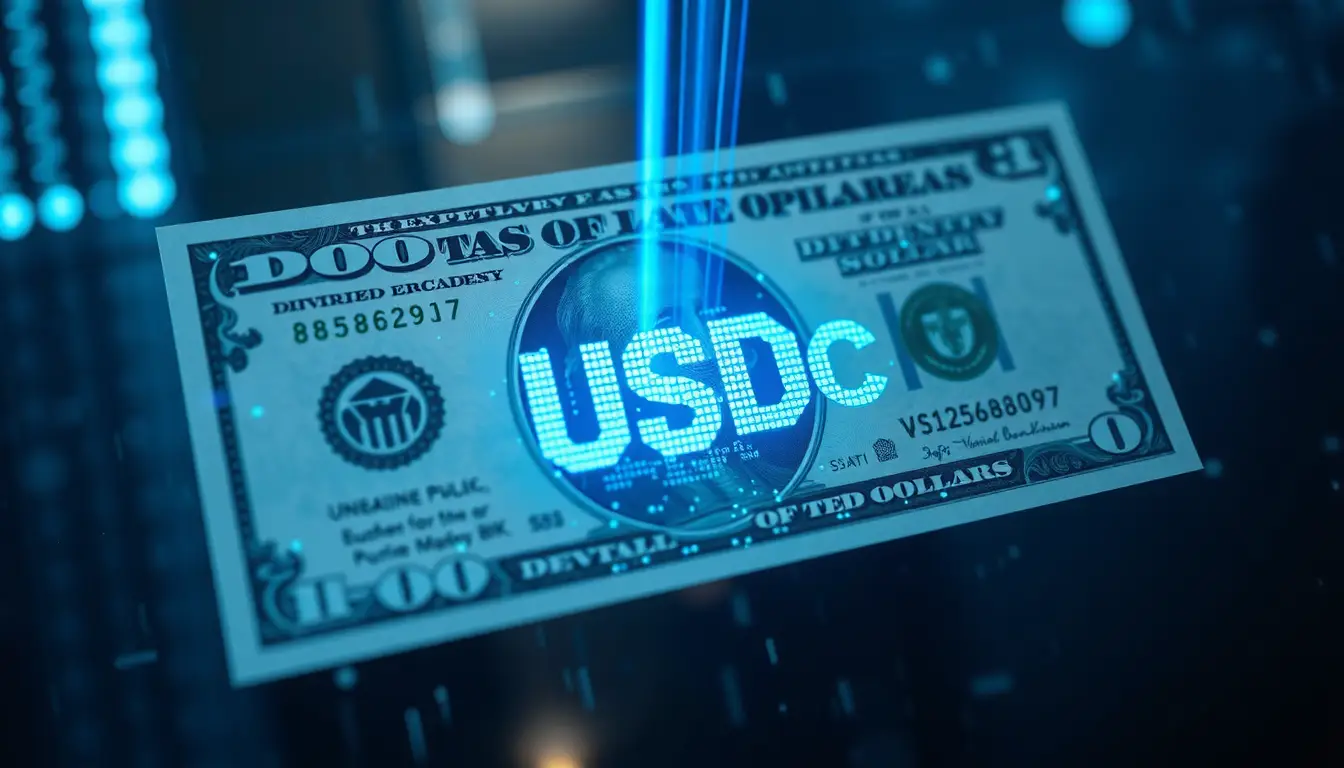
What is USDC?
USDC (USD Coin) is a stablecoin pegged 1:1 to the US Dollar. This means 1 USDC is always worth $1, regardless of crypto market volatility. USDC is issued by Circle, a US-based fintech company regulated by US financial authorities.
Every USDC in circulation is backed by actual dollars or US Treasury bonds held in Circle's reserves. You can redeem USDC for actual dollars directly through Circle.
Who Issues USDC and Where are the Reserves?
Circle Internet Financial is the issuer of USDC. Their reserves consist of:
- Cash held in regulated US banks
- Short-term US Treasury bills
Circle audits and publishes monthly reserve reports by third-party accounting firms, making it more transparent than many other stablecoins.
USDC vs USDT: What's the Difference?
While USDT (Tether) is the world's largest stablecoin, DeFi often prefers USDC because:
- Transparency: Circle's reserves are regularly audited by third-party firms, whereas Tether has a history of reserve transparency questions.
- Regulation: Circle operates under clear US regulations, making it more suitable for institutional use and DeFi protocols.
- DeFi Integration: USDC is the primary choice for protocols like Aave, Compound, Uniswap, and Hyperliquid.
- USDT Liquidity: USDT generally has higher volume on centralized exchanges (CEX). For CEX trading pairs, USDT usually offers more options.
Why Does Hyperliquid Use USDC Instead of Local Currency?
Two main reasons:
- Global Standard: Crypto and DeFi markets worldwide use USD as the base unit. This allows liquidity from traders globally to pool into a single currency.
- Stable Collateral: USDC's stability allows for precise margin and liquidation calculations. Using volatile assets like BTC as collateral adds significant complexity.
How to Buy USDC in Thailand via Bitkub
- Log in to bitkub.com.
- Deposit Thai Baht via PromptPay or Bank Transfer.
- Go to the Market menu and select the USDC/THB pair.
- Select Buy and enter the amount of THB you wish to exchange.
- Confirm the Buy USDC order.
The USDC/THB exchange rate typically mirrors the standard USD/THB rate, roughly 33-35 Baht per 1 USDC.
Which Networks Support USDC? Why Arbitrum for Hyperliquid?
USDC exists on multiple blockchains (Ethereum, Arbitrum, Solana, Polygon, Base). Hyperliquid specifically supports USDC on Arbitrum because:
- Arbitrum offers very low gas fees ($0.01-0.10 per transaction) compared to Ethereum.
- Arbitrum has a direct bridge to Hyperliquid.
Very Important: Sending USDC via the wrong network may result in permanent loss of funds. Always verify the network before transferring.
Stablecoin Risks to Consider
- Regulatory Risk: Strict US government regulations could impact Circle and USDC operations.
- De-peg Risk: Though rare, USDC briefly de-pegged to $0.87 during the 2023 banking crisis before returning to $1.
- Counterparty Risk: You must trust that Circle holds the reserves they report.
Written by

SiamDEX's team of DeFi and financial market experts with over 5 years of experience trading crypto and digital assets.
Related Articles
Before You Trade
Level Up Your Knowledge First
Smart traders do their research first. Read our articles and latest news before placing your first trade.
Educational Blog
Learn trading fundamentals to advanced strategies for crypto, stocks, and more.
Latest Market News
Stay updated on crypto, stocks, and macro news to time the market better.
Successful traders spend 80% of their time studying the market and 20% actually trading. Don't rush.
วิธีเทรด
และอีก 200+ รายการ





Assets You Can Trade
 Bitcoin (BTC)
 Ethereum (ETH)
 Solana (SOL)
 Hyperliquid (HYPE)
 Gold (PAXG) (PAXG)
 XRP (XRP)
 Dogecoin (DOGE)
 Fartcoin (FARTCOIN)
 Zcash (ZEC)
 Bittensor (TAO)
 Plasma (XPL)
 Pump.fun (PUMP)
 Pepe (1000x) (KPEPE)
 Sui (SUI)
 Venice Finance (VVV)
 Algorand (ALGO)
 Litentry (LIT)
 Chainlink (LINK)
 Cardano (ADA)
 Monad (MON)
 Jupiter (JUP)
 Ethena (ENA)
 Avalanche (AVAX)
 LayerZero (ZRO)
 Blur (BLUR)
 Ondo Finance (ONDO)
 dogwifhat (WIF)
 Pudgy Penguins (PENGU)
 SPX6900 (SPX)
 Bonk (1000x) (KBONK)
 dYdX (DYDX)
 TRON (TRX)
 Starknet (STRK)
 Story Protocol (IP)
 Render Network (RENDER)
 AIXBT by Virtuals (AIXBT)
 Aerodrome Finance (AERO)
 Just a Chill Guy (CHILLGUY)
 Aave (AAVE)
 BNB (BNB)
 Curve Finance (CRV)
 Monero (XMR)
 NEAR Protocol (NEAR)
 Aster (ASTER)
 Worldcoin (WLD)
 Uniswap (UNI)
 Bitcoin Cash (BCH)
 Sei (SEI)
 Aptos (APT)
 Litecoin (LTC)
 Lido DAO (LDO)
 World Liberty Financial (WLFI)
 Arbitrum (ARB)
 Stellar (XLM)
 Virtuals Protocol (VIRTUAL)
 Official Trump (TRUMP)
 Fetch.ai (ASI) (FET)
 Morpho (MORPHO)
 Hemi Network (HEMI)
 Polkadot (DOT)
 0G (ZeroGravity) (0G)
 DoubleZero (2Z)
 ACE (Fusionist) (ACE)
 ApeCoin (APE)
 Axie Infinity (AXS)
 Bio Protocol (BIO)
 BLAST (BLAST)
 BOOK OF MEME (BOME)
 Conflux (CFX)
 Brent (BRENTOIL)
 GOLD (GOLD)
 SILVER (SILVER)
 Nvidia (NVDA)
 Apple (AAPL)
 Tesla (TSLA)
 S&P 500 (SP500)
 WTI (CL) (CL)
 Nasdaq 100 (XYZ100)
 SanDisk (Western Digital) (SNDK)
 Circle (CRCL)
 Micron Technology (MU)
 Intel (INTC)
 Natural Gas (NATGAS)
 EUR (EUR)
 Platinum (PLATINUM)
 Coinbase (COIN) (COIN)
 iShares MSCI South Korea ETF (EWY)
 JPY (JPY)
 Alphabet (Google) (GOOGL)
 Robinhood (HOOD)
 Palantir (PLTR)
 Copper (COPPER)
 MicroStrategy (MSTR)
 Meta (Facebook) (META)
 Microsoft (MSFT)
 CrowdStrike (CRWV)
 Amazon (AMZN)
 SK Hynix (SKHX)
 Netflix (NFLX)
 Advanced Micro Devices (AMD)
 Eli Lilly (LLY)
 ARM Holdings (USAR)
 TSMC (TSM)
 Oracle (ORCL)
 iShares MSCI Japan ETF (EWJ)
 Rivian (RIVN)
 Alibaba (BABA)
 Samsung Electronics (SMSN)